Nepal, a country that struggled with power shortage and experienced almost 16 hours a day load shedding in 2015, has not only become self-sufficient in electricity, but also possesses around 400 MW of surplus electricity unconsumed in the night. The power generated from Upper Tamakoshi Hydro Power Project in Central Nepal’s Dolakha District with maximum output of 456 MW contributes to this surplus. The project was connected to the national grid recently.
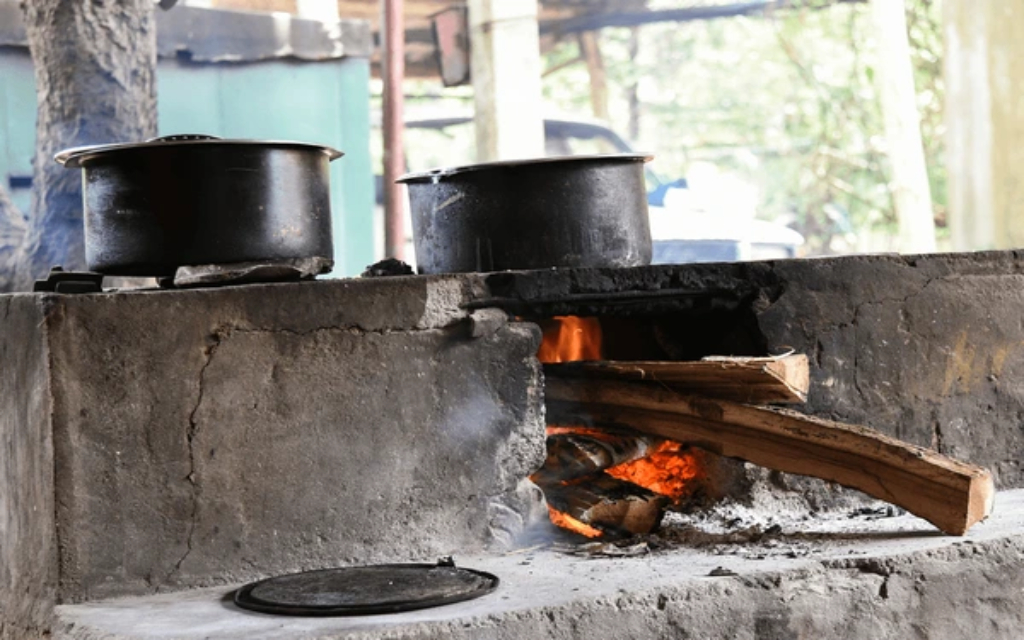
Nepal has also made significant progress on per capita electricity consumption rates. The per capita electricity consumption per year has reached to 260 kWh[1] as of March 2020 against 80 kWh in 2015. The government aims to provide electricity to every household by 2022 and increase electricity consumption to 700 kWh per person within four years (from 2021?). To implement the government’s policy to increase electricity consumption within national market, Nepal Electricity Authority (NEA) is encouraging the use of electric stoves and vehicles, for which NEA is strengthening, upgrading and expanding its infrastructure to accommodate these desired loads. Further, the government has exempted value added tax (VAT) to support e-cooking sector. This would address problems of majority of the households (71.6%) in Nepal that still use solid biomass, mainly firewood for cooking.
However, various barriers prevent wider adoption for electric cooking in Nepal. Private sectors are not yet confident about contextual understanding, especially in terms of food preferences, cooking practices, fuel / stove stacking, capacity to pay, etc. Therefore, there is an urgent need to establish bold policy action facilitating a faster penetration of private sector to support transition to more accessible, affordable and sustainable electric cooking for all.
The needs are presented below based on our engagement in research, studies and a demonstration project. The year 2020 was a year of electric cooking not only for us but for the entire cooking sector, where evidence generation through research, studies, demonstration projects were implemented (seems repetitive based on the first line of this para). Encouraging households to use electricity for cooking is on strategic priority of many civil societies, private sectors, media and academicians.
Dev Laxmi Shrestha, one of the participant households of a research carried out by Practical Action for Modern Energy Cooking Services (MECS) in Kavre, is very happy with the induction cook top. Further, “market assessment of e-cooking appliances” conducted by Practical Action found that liquefied petroleum gas (LPG) users would be the first ones to transit to electric cooking. However, a critical hurdle in the shift from traditional biomass to electric cooking has been price. Electricity tariff and supply reliability are crucial in transitioning to electric cooking. Therefore, if we want biomass users to shift to electric cooking, targeted incentives have to be introduced for very poor and disadvantaged group. It is also found that stacking of stoves will continue for years. As such, our aim should be to replace all dirty fuels with clean fuels, clean stacking should be ok.
While there has been good progress in the last decade regarding knowledge dissemination of the negative impact of inefficient cooking practices, households are not readily moving towards cleaner form of cooking energy. Affordability is one of the key reasons behind this. Low-income households often have firewood as the only affordable choice when it comes to cooking. Therefore, relying on electricity for it is an expensive choice for the households. Further, it has been observed that managing peak electricity demand is going to be challenging for utility and local electricity service providers. Demand side management, corresponding tariffs and incentives to encourage demand side management will play a significant role to make this shift happen promptly. We have seen that households struggle to receive standard quality voltage during peak time in rural areas.
A multi-pronged approach is needed for faster transition. Making a rapid transition to clean cooking for all will have an enormous impact on women’s life. While external support can help to strengthen the market of electric cook stoves by ensuring guarantees, after sales services, training, awareness on benefits, incentives to create last mile distribution chain; there is an urgent need from NEA to ensure Tier 5 electricity access in all parts of the country very soon. To address the affordability issue, linking with local financing institutions, making affordable credits accessible to all, lowering the cost of products through VAT exemption and most importantly, integrating income generating activities (IGA) in electric cooking initiative or tying up with some other such IGAs would be beneficial for electric cooking wider update. This requires a buy-in of and contribution from multiple stakeholders beyond energy sector stakeholders. It also calls for establishment of an effective framework of planning and coordination. We are expecting that the national clean cooking strategy currently being developed will support to facilitate coherent planning and investment, clarify the roles of different tiers of government, and facilitate multiple stakeholder coordination.
Although Nepal has made significant progress towards achievement of electricity access for all, well ahead of 2030 target, current efforts for clean cooking development remain well below 2030 target. Therefore, we must act very quickly and decisively now!
[1] SDG Progress Assessment Report 2016-19