
The Republic of the Maldives, nestled in the central Indian Ocean, has long been celebrated for its thriving tourism industry, contributing a substantial 25% to its national GDP. However, the onset of the COVID-19 pandemic underscored the fragility of an economic model heavily dependent on tourism and fishing. This realization prompted a crucial need for rapid transformation and diversification of economic activities to ensure the nation’s recovery.
One of the significant challenges faced by the Maldives is its reliance on imported fossil fuels, which account for about 10% of the country’s GDP. The Asian Development Bank (ADB) highlights that these imports are the primary source of energy, powering various sectors such as power generation, industrial processes, sea transport, and road transportation. The economic strain resulting from the cost of importing fuel, coupled with its volatility, emphasizes the necessity for a shift towards a more sustainable and affordable energy supply.
The Maldives is naturally endowed with abundant renewable energy resources, including solar, wind, and ocean power. However, despite this potential, only 6% of the country’s total energy mix is derived from renewable sources, as per data from the International Renewable Energy Agency. In 2021, solar energy dominated the renewable energy landscape in the Maldives, contributing to 95% of the total, followed by 4% from wind energy and 1% from bioenergy.
Over the past five years, positive economic and human development outcomes have been achieved, leading to a decrease in the poverty rate from 3.9% in 2019 to an estimated 2.1% in 2023. However, these improvements are concentrated in tourist islands, leaving many rural islands grappling with developmental challenges.
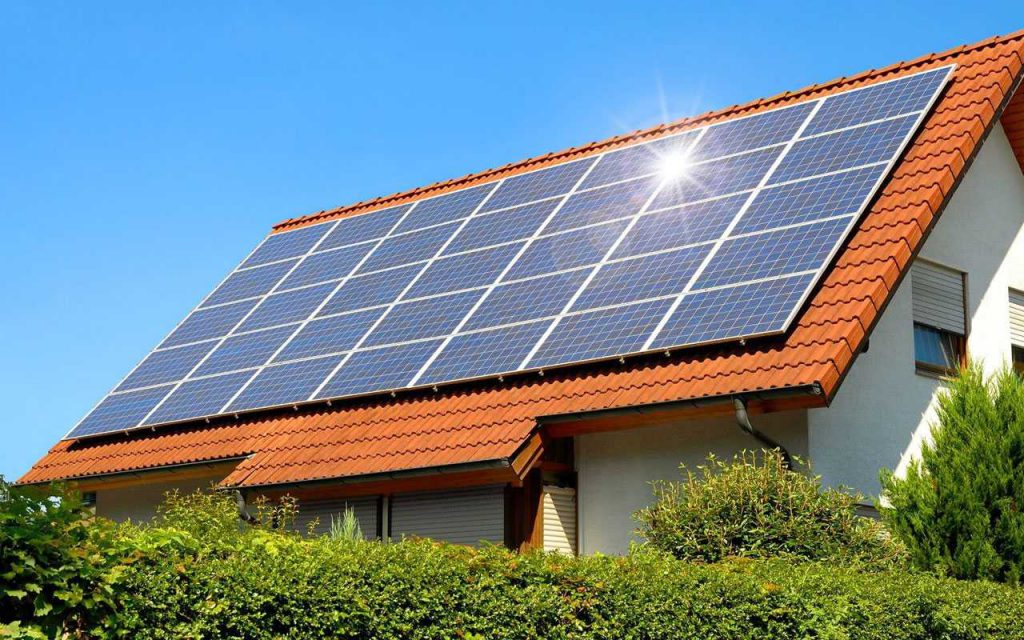
Recognizing the need for a transformative shift, President Solih set an ambitious target for the Maldives to achieve net-zero status by 2030. Solar power emerged as a primary focus due to the nation’s abundant sunshine. The ADB, in collaboration with the World Bank’s ASPIRE project, has taken significant steps to facilitate this transition. The Preparing Outer Islands for Sustainable Energy Development (POISED) Project, financed by the ADB in 2022, introduced a photovoltaic hybrid energy system in over 70 outer islands, combining both solar and wind power.
The World Bank’s involvement has been instrumental in overcoming financial barriers, with a notable solar power project witnessing a substantial reduction in costs through risk underwriting. This not only attracted interest from 63 investors but marked a turning point in making renewable energy projects economically viable in the Maldives.
In addressing challenges such as the “poverty trap,” the Maldives emphasizes collaborative efforts with international institutions. The World Bank’s support, coupled with private investments, has positioned the country to implement solar projects across its diverse archipelago. Innovative approaches, including floating solar panels by Swimsol, not only address land limitations but also provide a more cost-effective alternative to traditional diesel-powered electricity.
The Maldives’ journey towards a sustainable future is not just a narrative of overcoming financial obstacles; it is a tale of resilience and innovation. Challenges such as high debt burden, political instability, and the aftermath of the pandemic have tested the nation’s ability to secure affordable financing. The World Bank’s call for debt relief for developing countries underscores the interconnectedness of financial stability and environmental sustainability.
Looking ahead, the Maldives faces geographical challenges, transmission constraints, and the need for human resource development. Training electrical engineers with expertise in renewable technologies is crucial for long-term energy security. Additionally, addressing the country’s high public debt through economic reforms is essential.
The Maldives’ commitment to learning from foreign experiences and creating a favorable ecosystem for renewable energy development is evident. As the government collaborates with NGOs, private investors, and international institutions, renewable energy gains traction. The islands are poised to reduce their dependence on fossil fuel imports, embracing locally generated electricity from solar and wind power. This transition not only promises improved electricity access for all Maldivian islands but also holds the potential for healthier lifestyles, industrial advancement, and economic growth in this tropical paradise.
In conclusion, the Maldives stands as an inspiring example of the transformative power of international collaboration, debt relief, risk mitigation, and private sector engagement in achieving a sustainable and economically viable transition to clean energy in developing nations. The green revolution underway invites the world to witness the harmonious coexistence of nature and innovation in this island nation.