
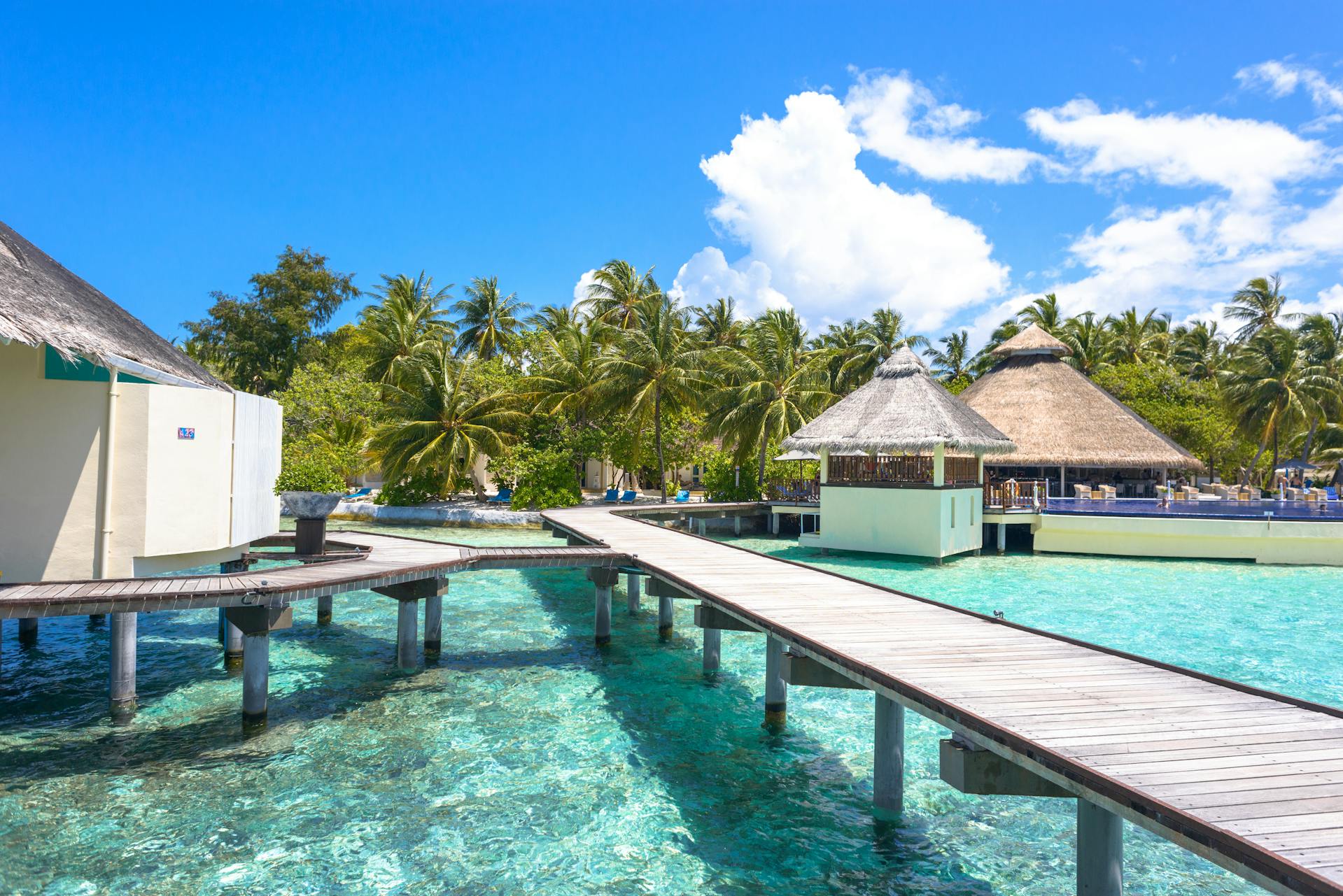
Nestled in the azure embrace of the Indian Ocean, the Maldives is not only a tropical paradise but also a frontline battleground against climate change. As development and conservation efforts grapple with the challenges of climate adaptation, community-based tourism emerges as a beacon of hope, offering a lifeline to local communities and the delicate ecosystems that define this island nation.
The Maldives, an archipelago of coral atolls and pristine beaches, is not merely a picturesque getaway; it’s a nation at the forefront of climate risk. With its average ground level just above sea level, the Maldives faces the existential threat of rising sea levels. The impacts of climate change, from coral bleaching to more frequent and severe storms, cast a looming shadow over this tropical haven.
Amid these challenges, the concept of climate adaptation takes center stage. Climate adaptation is not just a necessity but a call for justice, ensuring that those most affected have the resources to weather the storm. While global efforts focus on mitigating climate change, the importance of local adaptation measures becomes evident in safeguarding the vulnerable populations of the Maldives.
Enter community-based tourism, deeply rooted in the ethos of social and environmental justice. Locally-owned enterprises, such as the Island Zephyr Guesthouse in Baa Atoll of Malives, become key players in this narrative. Constructed with indigenous materials and sourcing products locally, this guesthouse not only provides an authentic experience but also champions a sustainable relationship between tourists and the local community.
Six Senses Laamu, another jewel in the Maldivian tourism landscape, takes the mantle further. Allocating a portion of its revenues to local conservation and community development projects, the resort becomes a stronghold in the fight against climate change. Visitors can actively engage in tours and research activities, creating a tangible connection to the marine ecosystems that are both vulnerable to and essential for climate adaptation.
The Maldives, with its rich cultural heritage and biologically diverse natural resources, stands as a testament to the symbiotic relationship between tourism and climate adaptation. The Island Zephyr Guesthouse and Six Senses Laamu embody the triple bottom line of community-based tourism: improved revenue, enhanced community resilience, and the protection and restoration of nature.
As we navigate the delicate balance between exploration and preservation in this paradise on Earth, the choice to support community-based tourism becomes more than a travel decision; it becomes a commitment to the future of the Maldives. By choosing locally-owned, regenerative businesses, travelers can actively contribute to the resilience of Maldivian communities and the preservation of their unique environment.
Certifications such as B Corp Certification, Biosphere Tourism, Earth Check, Global Sustainable Tourism Council, The Long Run, and Regenerative Travel guide conscious travelers in their choices, ensuring they support businesses committed to environmental, social, financial, and operational standards.
In the heart of the Indian Ocean, the Maldives faces the dual challenge of climate risk and the need for sustainable tourism. By embracing community-based tourism, we not only support local economies but also become stewards of the Maldivian paradise. Through our conscious choices and active engagement, we play a crucial role in nurturing a sustainable future for the Maldives amid the complex dance with climate risks.