
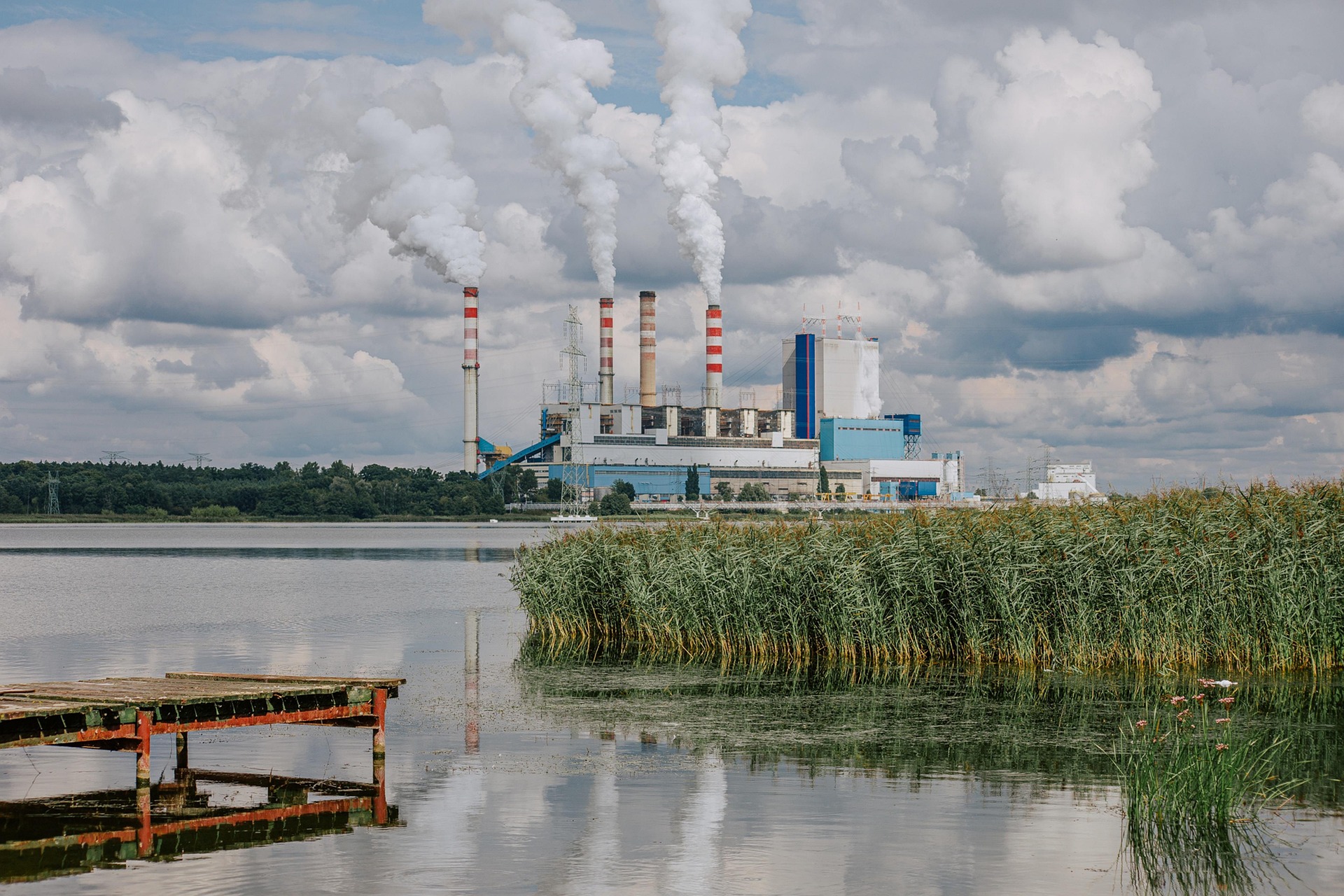
To create a low carbon pathway that will make domestic industries rich, prosperous and socially relevant in global markets, industrial sector decarbonization is essential. In Bangladesh, industry sector is the second largest contributor to GDP (approximately 29.54%), after the service sector contributing 53.4%. The major contributor within the industrial sector is the RMG segment which has seen an increase in labor-intensive and export-oriented manufacturing, transforming the economy. Other industrial sub-sectors include construction industries, jute, sugar, tea, leather, telecommunications, pharmaceuticals, cement, ceramics, shipbuilding, steel, fertilizer, food processing, paper newsprint, light engineering, and other categories.
The importance of developing low carbon and energy efficiency solutions is underlined by this important role played by the industry sector with regards to expected total emissions. Therefore, while industry continues to increase productivity and exports, a more strategic industrial policy is needed to reduce emissions from industrial activities. In each country, policies are playing a significant role in the implementation and realization of industrial decarbonization.
Decarbonization Policies can reduce emissions and increase green jobs through a variety of economic routes. These include input substitution (use of low-carbon energy or input materials), process changes (energy efficiency, novel process development, use of recycled materials, carbon capture), demand reduction (material efficiency, material substitution, circular economy, etc.), skillset trainings (training need identification, creating green jobs and skilling the existing and potential workforce).
The shift to a more sustainable low-carbon economy necessitates the expansion of industry sectors generating ecologically sound products, creating new employment and offering people new skills. According to International Labour Organization (ILO), Green jobs are decent jobs that contribute to preserve or restore the environment, be they in traditional sectors such as manufacturing and construction, or in new, emerging green sectors such as renewable energy and energy efficiency.
The ‘Green Jobs Initiative in Bangladesh’ was formally launched on December 4, 2008, by the Ministry of Labour and Employment and the International Labor Organization. Green employment is found in many areas of the economy, including energy supply and waste recycling, as well as agriculture, construction, and transportation. In Bangladesh the project is being implemented in collaboration with the tripartite constituents; the Government, Bangladesh Employers Federation, National Coordination Committee for Workers Education, and private partners such as Grameen Shakti and Waste Concern.
Among the established national policies of Bangladesh, ICF, with the support of Bangladesh Centre for Advanced Studies (BCAS), identified few policy gaps towards green jobs.
Environmental concerns and skills for green jobs are lightly considered in the draft version of National Skill Development Policy (NSDP), 2020. No skills response solutions are included in a larger framework of climate change and/or sustainability policy. No labor market information (LMI) service exists to collect data on re-training requirements for green jobs. No institutional authority or structure is in place to identify the present and future skill requirements for green jobs.
Major factors accounting for green skill shortages are inadequate institutional support, supply driven TVET system leading to skill mismatch, no green component in the current TVET reform, shortage of green jobs trainers, and inadequate job placement mechanism. Green skills, to adapt products, services, and processes to climate change, environmental requirements and regulations, will be needed by ‘all sectors and at all levels of the workforce.
The national policies and training primarily focus on employment generation and good working conditions, hence there is a dearth of green jobs and skills-related competence standards such as curricula, training, and programs. No criteria for designing new competence “green” standards have been developed yet, owing to a lack of a national green skills development policy. Existing education and training system including general schooling does not follow a strategy of “mainstreaming” sustainability and environment protection issues within the education and training system.
To overcome these policy gaps and challenges, a country-specific and sector-wise future of green jobs report will help in understanding the roles required for reaching the climate change mitigation and adaptation goals. Green skills development must be integrated into wider training and skills development policy, rather than being seen as additional to or separate from other forms of skills. Technical and Vocational Education and Training (TVET) institutions can engage in greening through a comprehensive framework that aims to improve awareness, expertise, and behavior that can contribute to a more productive workplace. Greening a TVET institution will make young people active members of the green economy, resulting in increased human well-being and social justice, while reducing environmental risks and ecological scarcity. This process needs to be a part of the National Youth Policy for aligning the youth towards low carbon transition.