Nepal in 2025: Accelerating the Transition despite its negligible emissions and the most vulnerable to climate change
Nepal’s energy transition has entered a decisive phase, characterized by rapid growth in clean electricity generation, bold policy frameworks, and the first tangible steps toward becoming a regional energy exporter. However, this progress is challenged by infrastructure bottlenecks, climate vulnerabilities, and the complexities of managing a just transition.
Key News Updates & Trends
1. Record-Breaking Generation & The Export Milestone
Capacity Surge: Installed capacity has hit ~3,600 MW, hydropower, with an aggressive roadmap to 28,500 MW by 2035.
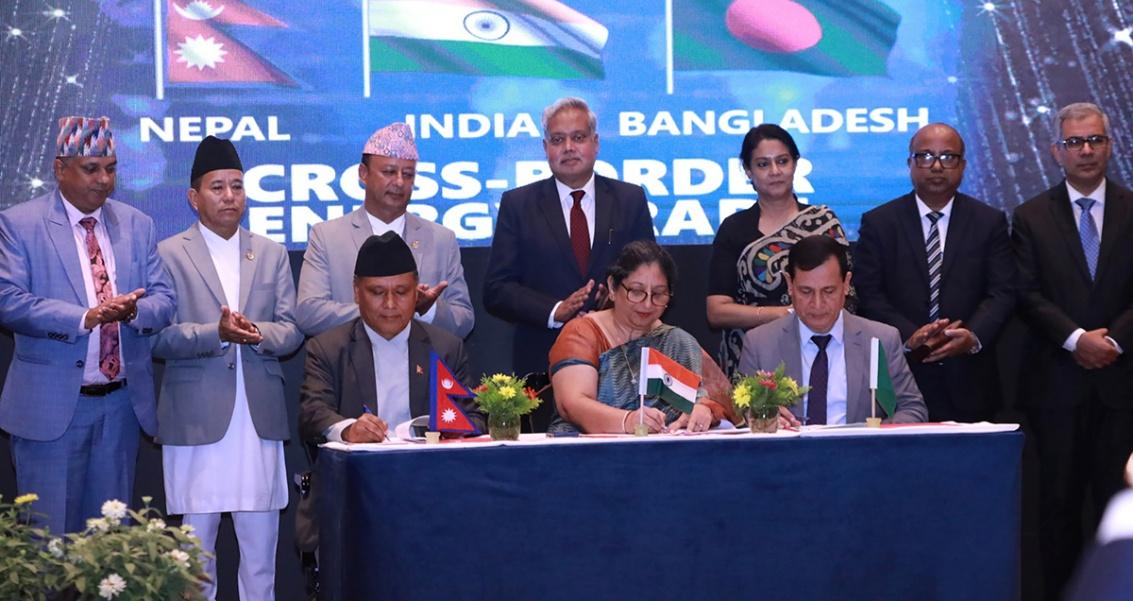
Historic Export: The first commercial electricity export to Bangladesh (40 MW) in June 2025, via India, is a transformative milestone. It validates Nepal’s potential as a regional energy hub and provides a crucial revenue stream to finance further development.
Grid Evolution: With 98% electrification and rising per capita consumption, the focus shifts from access to quality, reliability, and managing a power surplus grid in the wet season.
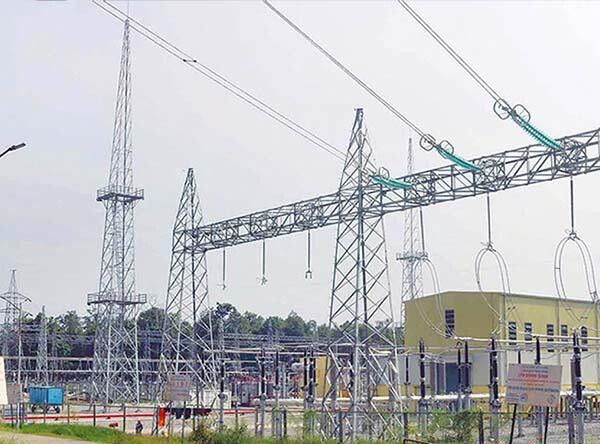
Upper Tamakoshi Hydropower Plant
2. Policy Revolution: From Plans to Action
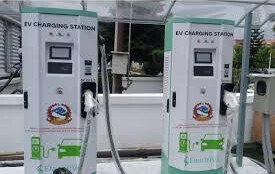
EV Charging Station supported by the Government of Nepal
The institutional landscape is maturing rapidly with landmark policies:
NDC 3.0 (2025): The updated climate action plan sets a concrete path to net zero CO₂ by 2045 with quantified 2030/2035 targets for renewables, EVs, clean cooking, and industry electrification.
Financial Innovation: The issuance of Nepal’s first sovereign green bond (NPR 5 billion) and the establishment of the Sustainable Energy Challenge Fund (SECF) mark a critical shift toward structured climate finance.
Sector-specific strategies: new policies on Green Hydrogen, Solar Thermal, and a nationwide EV Charging Master Plan show a move from generic goals to implementable sectoral roadmaps.
3. The Demand Side Transformation Begins
Transport Electrification: With EVs reaching up to 70% of new vehicle sales and a strategy for charging infrastructure, the sector is poised for rapid electrification, directly cutting petroleum imports.
Industrial Shift: Policy targets aim for 100% electric furnaces in steel and 70% electric boilers, indicating a major future driver for clean electricity demand.
Clean Cooking Challenge: Despite progress, over 50% reliance on fuelwood remains a major health and environmental hurdle, though targets for electric and improved cookstoves are ambitious.
EV Charging Station supported by the Government of Nepal
4. Confronting the "Green Gridlock” Major Challenges
Hydropower
Transmission Bottleneck: The 1 barrier. Generation is outpacing grid infrastructure, constraining domestic use and export potential. Projects like the Butwal Gorakhpur cross-border line are critical.
Seasonal Imbalance: Hydropower dominance creates a wet season surplus and dry season deficit. Solutions like battery storage, pumped hydro, and regional dry season import agreements are urgent priorities.
Climate Threat to Infrastructure: The 2024 flash floods, damaging 30+ hydro plants, are a stark warning. Climate resilience must be central to all new energy infrastructure planning.
Subsidy Reform: The politically sensitive move to reform LPG subsidies is essential to free up fiscal space for grid and renewable investments but requires careful social protection measures.
5. Emerging Opportunities & Regional Role
Regional Grid Anchor: Nepal is transitioning from an energy island to a key player in South Asian power trade. The Bangladesh export pilot is a model for larger-scale trade with India and potentially beyond.
Distributed Renewables Boom: Growth in solar Mini grids, micro hydro, and rooftop PV is crucial for reaching the last mile and supporting rural economies.
Financing Derisking: New instruments like blended finance and viability gap funding are essential to attract private capital for large storage and transmission projects.
Tripartite Power Sale Agreement (PSA) was signed between the Nepal Electricity Authority (NEA), the Bangladesh Power Development Board (BPDB) and India’s NTPC Vidyut Vyapar Nigam Ltd (NVVN)
Priorities for the Next 5-10 Years (Synthesis)
Build the Grid, Unlock the Potential: Accelerate transmission and cross-border interconnection projects as the single most important enabler for exports and industrial growth.
Bridge the Seasonal Gap: Fast-track utility-scale battery storage pilots, incentivize peaking run-of-river projects, and formalize regional energy exchange mechanisms for dry season imports.
Nepal is also looking forward to how the IC vehicles can be converted to EVs
Execute NDC 3.0 with Finance: Translate ambitious targets into bankable project pipelines backed by the new green bonds and international climate finance.
Just Transition: Implement well-communicated, phased fossil fuel subsidy reforms coupled with targeted support for low-income households and programs for clean cooking and transport.
Climate resilient Infrastructure: Mandate climate-resilient design standards for all new energy infrastructure and strengthen early warning systems for hydropower clusters.
Nepal is no longer just planning its energy transition; it is actively building it. The convergence of record generation, innovative policy, and regional cooperation creates unprecedented momentum. The nation’s success now hinges on its ability to solve the “last mile” infrastructure and financing challenges, ensuring that the benefits of a clean energy system reach all citizens and establish Nepal as a sustainable energy leader in South Asia.