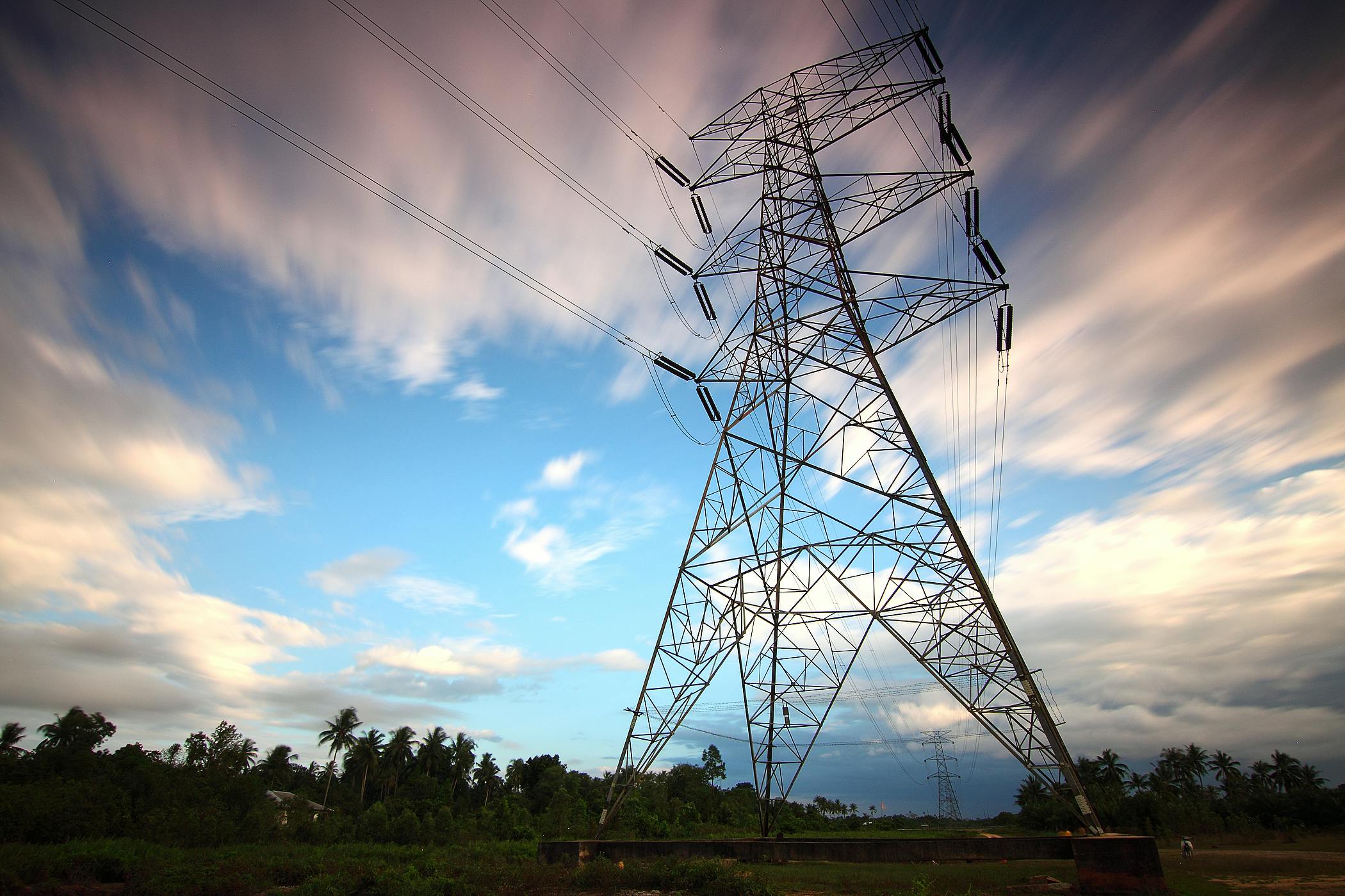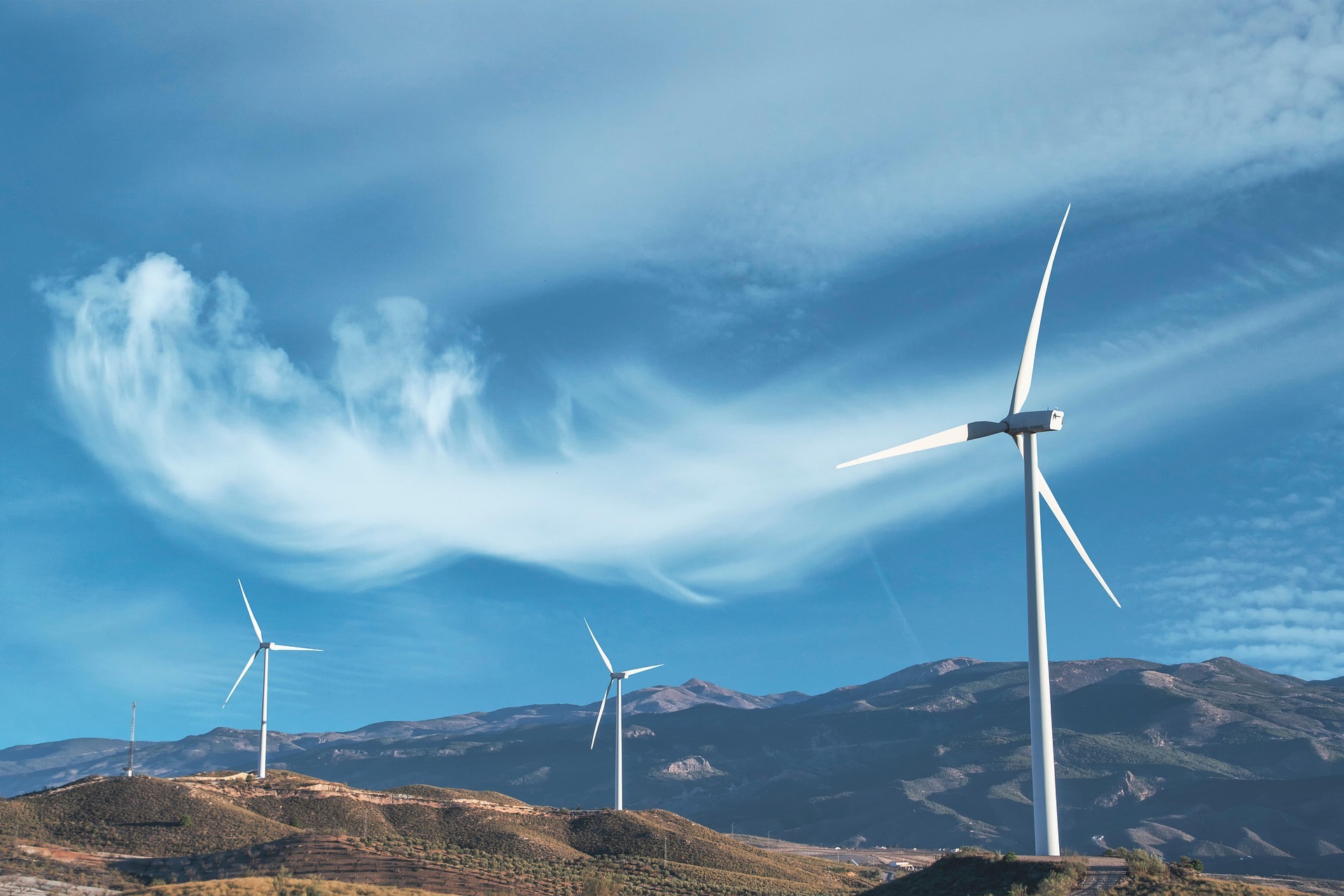
Poor Air Quality is a burning issue in many of the countries of South Asia. India, Pakistan, and Bangladesh do not meet air quality standards set by the World Health Organisation. One of the key reasons for poor air quality in the region is largely due to a predominance of coal-fired power plants and increasing vehicular pollution. The Energy Transition Platform intends to build a constituency of stakeholders across the region to advocate for more stringent & cleaner emission norms and enhance knowledge sharing amongst member countries to enable a faster energy transition.
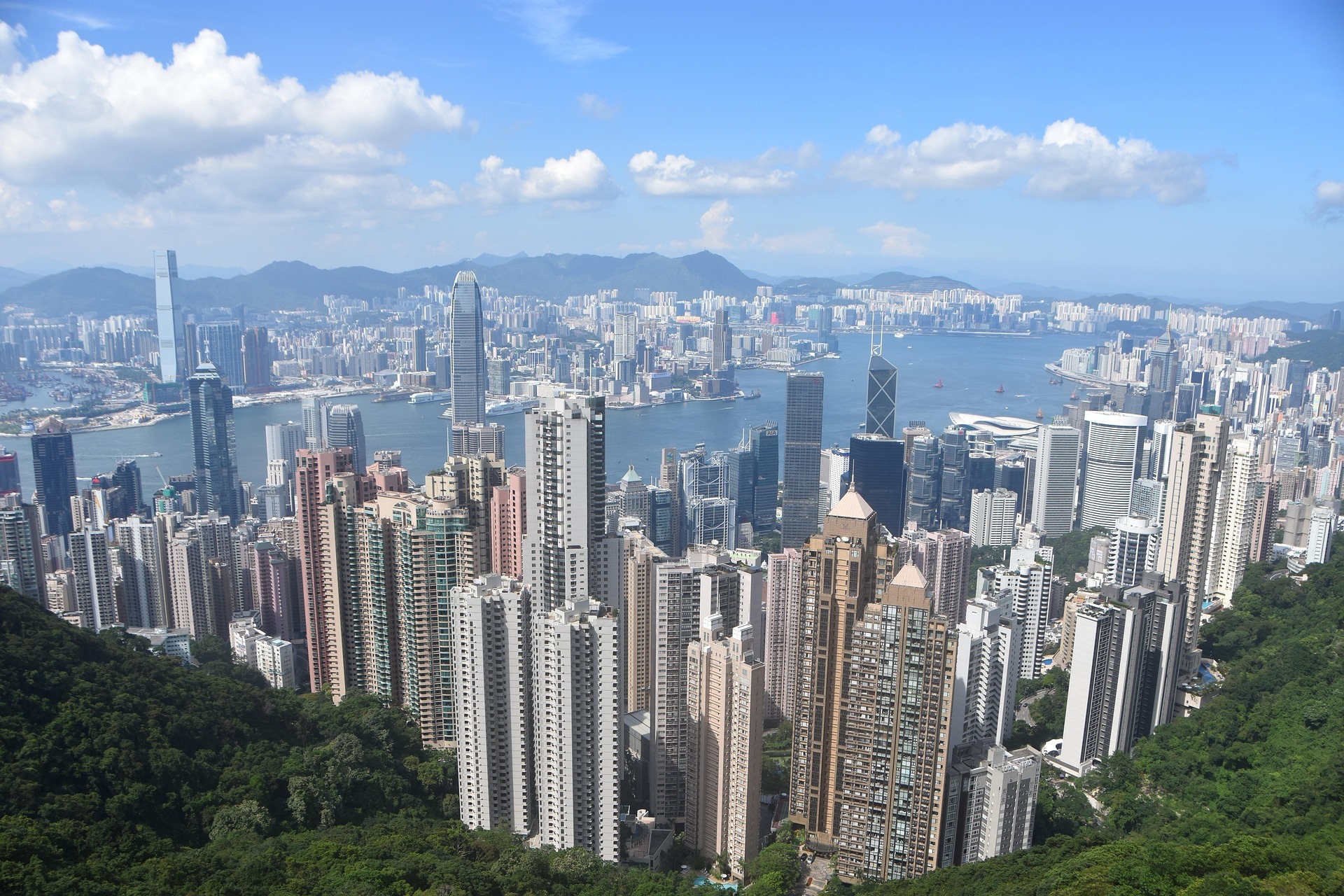
Energy Poverty continues to be a dominant issue in most countries of South Asia.Clean, affordable, and reliable energy supply continues to be in short supply, particularly in Nepal, Afghanistan, and Bangladesh.
The Energy Transition Platform envisages 100% clean, affordable reliable energy supply in all countries of South Asia.
Per Capita Electricity Consumption as per latest year available
The total capacity of non-fossil fuel in South Asia for 2023 stood at 41.26% and has seen a steady increase over the past few years.The percentage of share of non-fossil fuels in these countries ranges from 99.64 % (Bhutan) to 4.61% (Bangladesh).
The Energy Transition Platform (ETP) recognizes the effort of the region on its renewable energy targets. However, the platform wishes the region to aspire to an increase in the renewable energy targets. South Asia region is home to almost a quarter of the world’s population and countries in this region are on the path of rapid development and economic growth. With the need to keep global temperature from rising above 1.5°C, a rapid energy transition is required here. ETP intends to build a constituency of stakeholders across the region for a fossil-free vision through policy advocacy and dialogue.
Total Fossil Fuels and Total Non-Fossil Fuels (MW)
Reporting periods:Financial years for South Asian countries vary from 1st April to 31st March, 1st July to 30th June, 16th July to 15th July, 1st January to 31st December.In order to ensure uniformity in the data representation data has been presented as a calendar year for all countries.For those countries that do not have a 1st January to 31st December reporting period, apportionment has been carried out.Monthly data has been corroborated wherever available.