Just Energy Transition: Bangladesh’s step towards transition to renewable energy
Background:
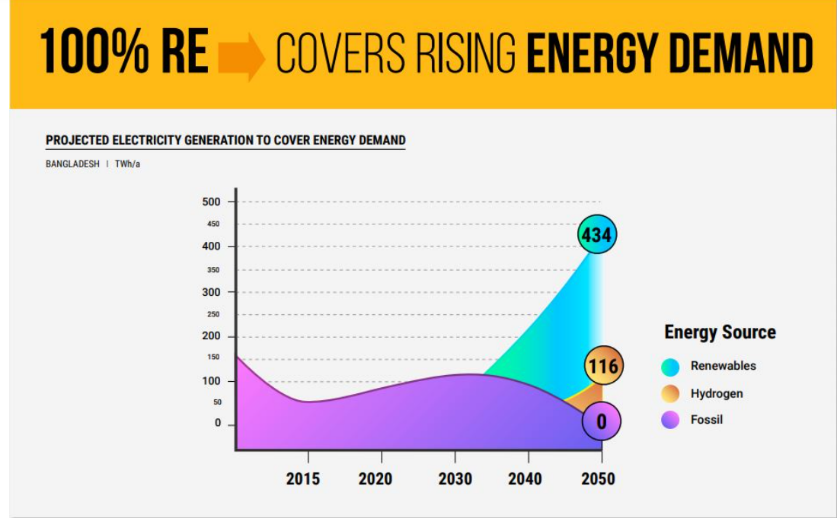
Bangladesh is at a pivotal moment in its energy journey. As the nation emerges from the 2022 power crisis, new opportunities are on the horizon to reshape its energy landscape. With a bold target to generate 40% of its electricity from renewable sources by 2040, the country is positioned to take significant strides toward a cleaner and more resilient energy future. However, balancing the move toward renewables while securing long-term LNG contracts will be key to ensuring a stable transition. Accelerating the shift to sustainable energy will help safeguard the power grid against potential disruptions and unlock economic growth.
The challenges ahead are substantial, driven by rapid population growth, urbanization, and industrial expansion. With near-universal electrification, Bangladesh’s power needs are growing, particularly in the ready-made garments sector, which contributes over 10% of the GDP and nearly 80% of exports. Diversifying the energy mix is now more crucial than ever to maintain momentum in economic development.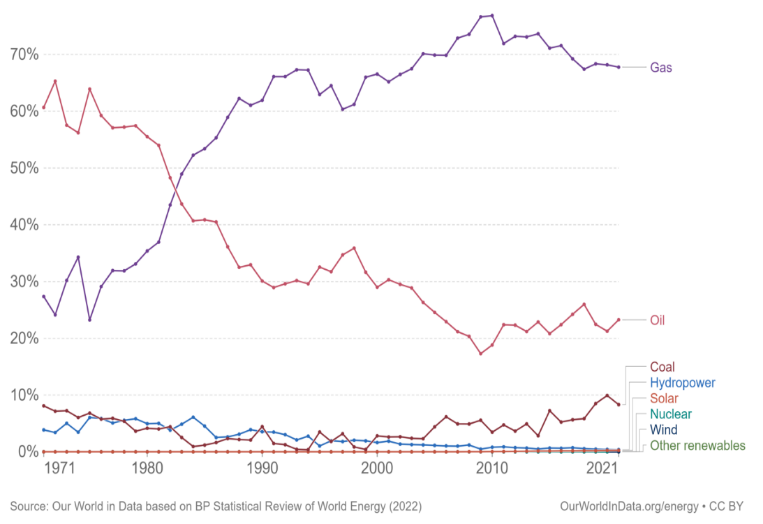
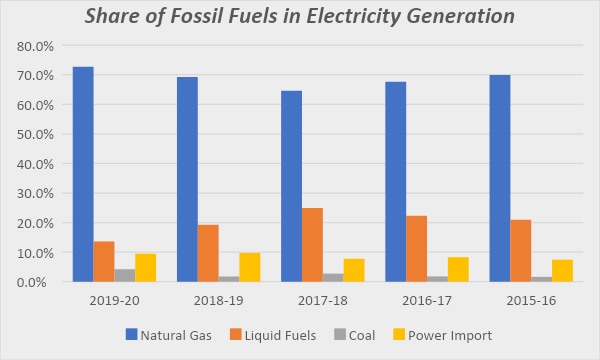
In 2021, over 99% of the country’s energy came from fossil fuels—primarily natural gas, oil, diesel, and coal—with natural gas alone accounting for around 67% of the supply, of which 26% was imported. This reliance has been instrumental in reaching electrification milestones, yet it also highlights the need for a more balanced energy strategy.
The shift from relying solely on domestic resources to embracing a diversified energy mix—including imports and renewables—presents an opportunity to enhance energy security, autonomy, and price stability. By accelerating the adoption of renewable energy, Bangladesh can build a more resilient grid that supports long-term economic growth, meets evolving energy demands, and positions itself as a leader in sustainable development.
Renewable Energy Potential:
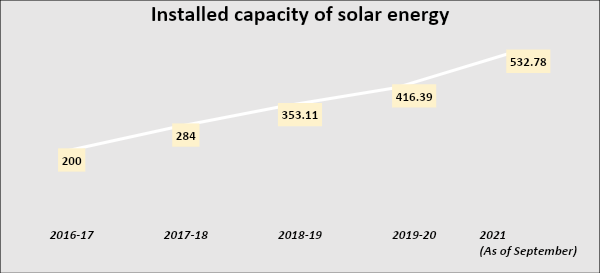
Bangladesh holds significant potential for renewable energy development, with solar, wind, and biomass resources offering promising prospects. The government has set ambitious targets to achieve 40% of its energy generation from renewable sources by 2041, a goal that is essential given the country’s rapidly growing energy demands and the need to reduce dependence on fossil fuels. Currently, solar power contributes approximately 4.5% to the total installed capacity, generating around 1,183 MW from various projects. With an estimated potential of 50,174 MW, solar energy could meet nearly 80% of Bangladesh’s projected energy demand by 2041. The draft National Solar Energy Action Plan aims for around 41 GW of solar power by that year.
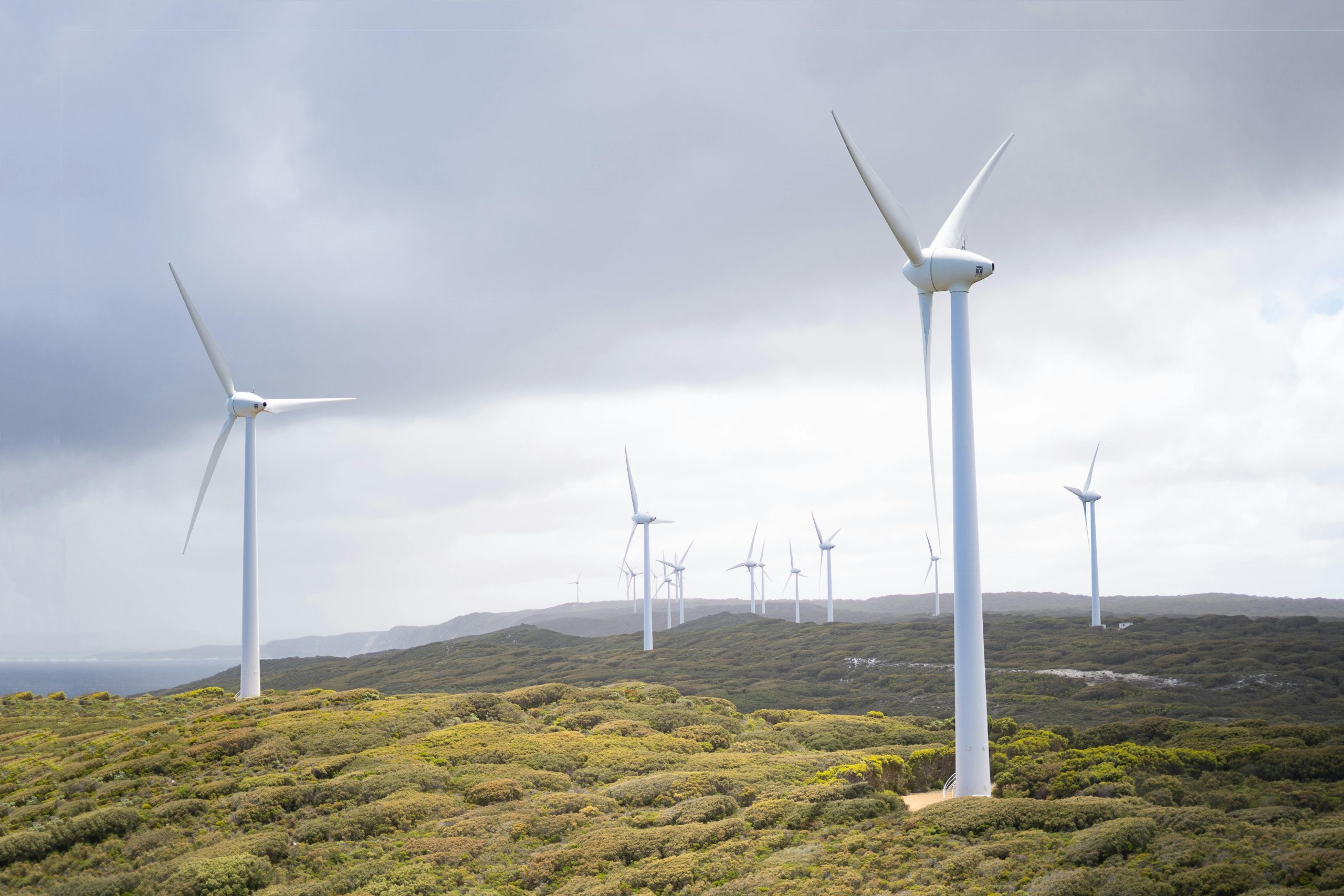
Wind energy also presents a substantial opportunity, particularly in Bangladesh’s coastal regions, which offer favorable conditions for wind power generation. The potential wind capacity is estimated to be as high as 30,000 MW, with average wind speeds ranging from 5 to 8 m/s—ideal for turbine operation. Additionally, biomass remains a viable option for renewable energy, though its expansion is limited by competing demands for agricultural waste. Innovations such as biogasification could improve biomass utilization while ensuring sustainability.
As of the end of 2021, Bangladesh’s total installed power capacity exceeded 29 GW, which included nearly 16 GW of oil-fired and 11 GW of gas-fired power. Renewable energy remained marginal, with only 230 MW from hydropower and 329 MW from solar. However, by 2022, renewable capacity had surpassed 950 MW. Under the updated Nationally Determined Contribution (NDC) from August 2021, Bangladesh aims to achieve 4.1 GW of renewable capacity by 2030, including 2.3 GW of solar. The country also plans to expand its nuclear capacity, targeting up to 7 GW by 2041, with two 1.2 GW reactors at the Rooppur nuclear plant expected to be operational by 2024, and another nuclear facility under consideration.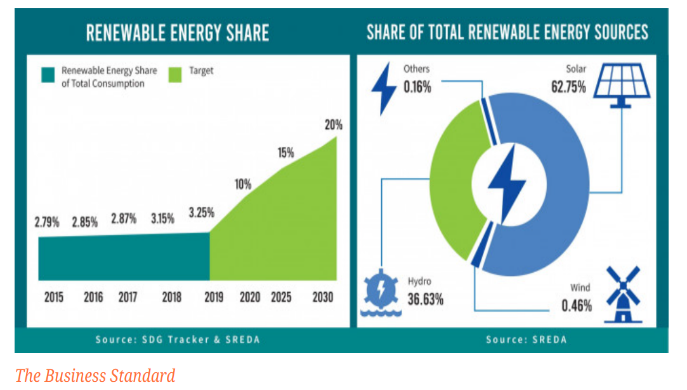
Despite these plans, current renewable energy targets fall short of their potential. The Integrated Energy and Power Master Plan from 2023 outlines a goal of 18% clean energy by 2030 and 40% by 2041. While these figures may seem ambitious, they include controversial technologies such as carbon capture and storage (CCS), ammonia, and hydrogen—which, despite being fossil fuel-based, are counted within the clean energy targets. In reality, only 5.7% of the 18% clean energy target by 2030 will come from renewables, rising to 8.8% of the 40% target by 2041. Currently, renewables make up just 2% of the national energy mix.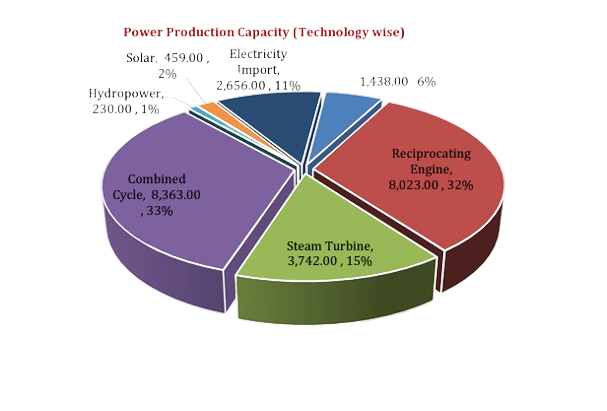
To meet its solar targets, Bangladesh plans to deploy the following:
- 16 GW through solar hubs
- 4 GW via electric utilities
- 5 GW by private developers
- 2.5 GW for irrigation pumps
- 12 GW from rooftop installations
However, scaling up solar energy faces several challenges, particularly the scarcity of land. Although Bangladesh’s tropical climate is suitable for solar, large-scale installations are hampered by limited available land. Agricultural land is prioritized for food production, and strict regulations prohibit its use for solar projects, complicating the identification of suitable sites due to fragmentation and competing land needs. Even when viable locations are found, land acquisition can be delayed by disputes and bureaucratic hurdles.
Furthermore, establishing solar power plants requires navigating a complex regulatory environment, involving up to 38 different licenses and certificates. This cumbersome process can discourage investors and slow project implementation. Financing solar projects is also challenging, as the initial investment is substantial and local financial institutions often do not offer favorable terms.
Integrating solar energy into the existing grid poses additional difficulties. The national power grid struggles with frequent outages and voltage fluctuations, which complicates the incorporation of intermittent solar power. Additionally, solar energy production varies due to changes in sunlight throughout the day and across seasons, necessitating advanced grid management and energy storage solutions to ensure a reliable power supply.
The challenges of establishing large-scale solar plants in Bangladesh have led the government to promote rooftop solar installations as a viable alternative for renewable energy transition. This strategy leverages the abundant rooftop space available in urban and industrial areas, addressing land scarcity while contributing to the country’s renewable energy goals. Rooftops of residential, commercial, and industrial buildings can be utilized without requiring additional land, making it an efficient use of space in a densely populated country. The government has introduced a net metering system, allowing users to connect their rooftop solar systems to the national grid. This enables them to sell excess power back to the grid, providing financial incentives and reducing electricity costs. The rapid installation of rooftop solar systems could significantly reduce carbon emissions. For instance, installing 2,000 MW of rooftop solar could potentially decrease CO2 emissions by about 15 million tonnes from 2023 to 2030, supporting Bangladesh’s Nationally Determined Contributions (NDCs) under international climate agreements. Grameen Shakti as a pioneer of solar system installation has installed more than 350 solar roof top system both on Grid and Off grid which helped to reduce more than 11500 metric ton of carbon emission in the country. This is a step toward a just energy transition.
Just energy Transition:
A just energy transition refers to the process of shifting from fossil fuel-based energy systems to renewable energy sources in a manner that is fair, inclusive, and equitable for all stakeholders involved. It emphasizes:
- Social Equity: Ensuring that the benefits and costs of the transition are distributed fairly, particularly for marginalized and vulnerable communities.
- Decent Work Opportunities: Creating sustainable jobs in the renewable energy sector while protecting the livelihoods of those affected by the transition away from fossil fuels.
- Community Engagement: Involving local communities in decision-making processes to ensure their needs and voices are prioritized.
- Environmental Sustainability: Promoting clean, resilient energy systems that contribute to climate goals without exacerbating social inequalities.